





By RoxyK – Lentils and Lace
Clean eating is an approach to nutrition that emphasizes consuming foods in their most natural and minimally processed forms. Rather than following a strict diet or eliminating entire food groups, clean eating focuses on choosing nutrient-dense foods that support overall health and well-being.
What Does Clean Eating Include?
A clean eating pattern typically emphasizes:
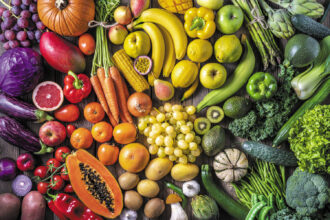
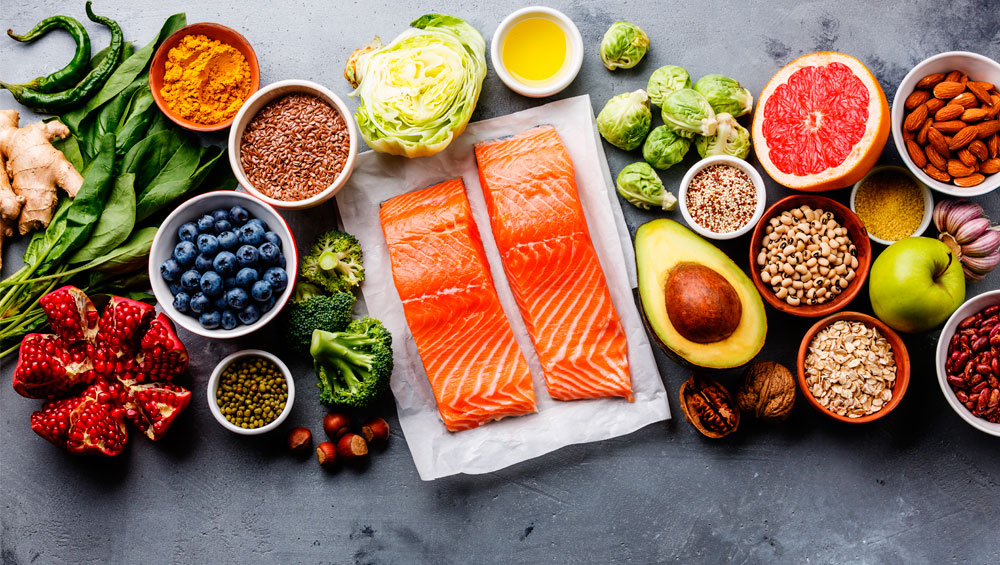
- Fresh fruits and vegetables
- Whole grains such as oats, brown rice, and quinoa
- Lean protein sources like fish, poultry, beans, lentils, and eggs
- Healthy fats from foods such as nuts, seeds, avocados, and olive oil
- Adequate water intake
- Minimally processed foods with simple ingredient lists
At the same time, it generally encourages limiting highly processed foods that are often high in added sugars, sodium, and unhealthy fats.
Benefits of Clean Eating
When practiced sensibly, clean eating may help:
- Improve energy levels
- Support healthy weight management
- Promote better digestion
- Provide essential vitamins and minerals
- Reduce reliance on heavily processed foods
- Encourage mindful eating habits
Maintaining a Healthy Balance
One of the most important aspects of healthy eating is balance. Clean eating should not become a source of stress or perfectionism. Here are some practical ways to maintain a balanced approach:
1. Follow the 80/20 Principle
Aim to make nutritious choices most of the time while allowing room for occasional treats. Enjoying a slice of cake at a celebration or a favourite snack does not undo an otherwise healthy eating pattern.
2. Focus on Progress, Not Perfection
Healthy eating is built through consistent habits over time. Small, sustainable improvements are often more effective than strict rules that are difficult to maintain.
3. Include All Major Nutrients
A balanced plate should contain:
- Protein for muscle maintenance and satiety
- Complex carbohydrates for energy
- Healthy fats for hormone and brain function
- Fruits and vegetables for vitamins, minerals, and fibre
4. Listen to Your Body
Pay attention to hunger and fullness cues. Eating when hungry and stopping when comfortably satisfied can help foster a healthier relationship with food.
5. Stay Hydrated
Water plays a crucial role in digestion, circulation, temperature regulation, and overall health. Drinking enough fluids throughout the day supports optimal body function.
6. Enjoy Food Socially and Emotionally
Food is more than fuel. It is also part of culture, family traditions, celebrations, and enjoyment. A healthy lifestyle allows space for these experiences.
Clean eating is not about strict restrictions or labelling foods as “good” or “bad.” It is about prioritizing whole, nutrient-rich foods while maintaining flexibility and balance. The healthiest approach is one that nourishes the body, supports long-term well-being, and is realistic enough to sustain for life. By focusing on variety, moderation, and consistency, individuals can enjoy the benefits of clean eating without feeling deprived.