





By Roxyk – Lentils and Lace
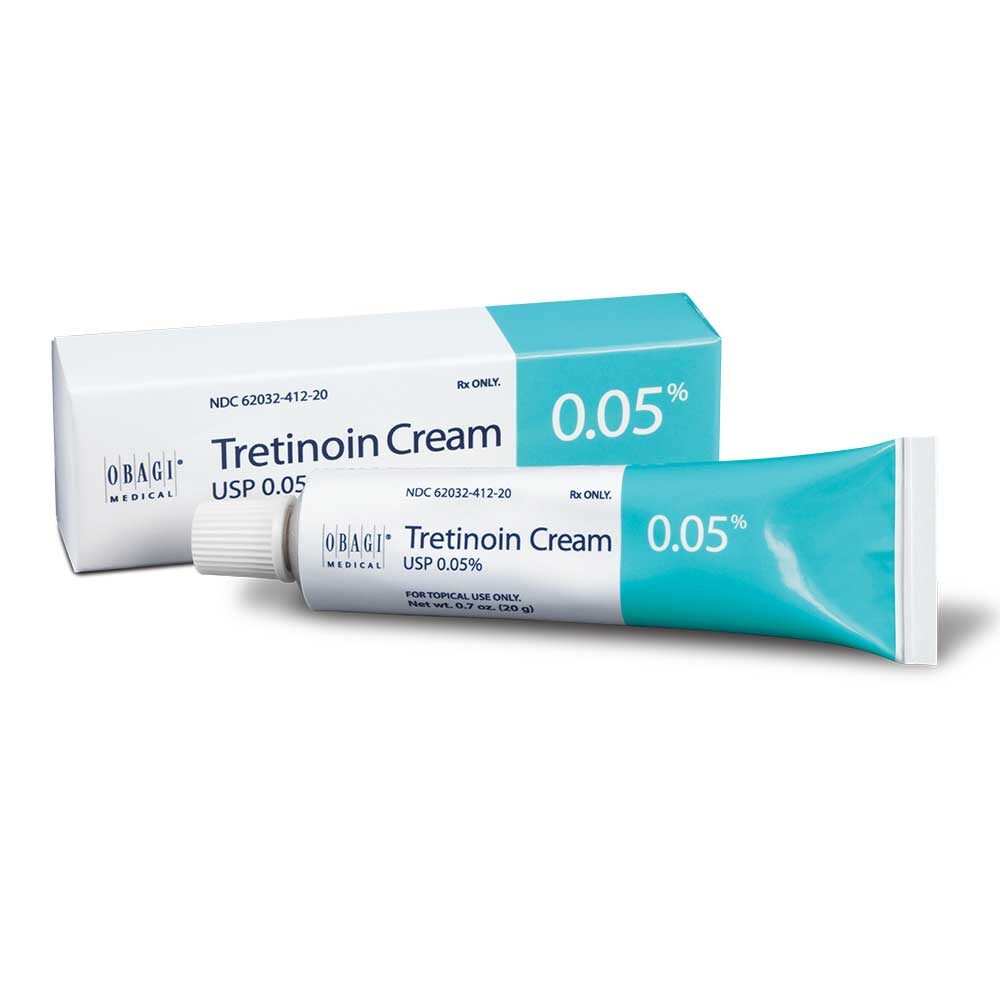
Tretinoin is one of the most effective and well-researched ingredients in skincare. It is a prescription-strength vitamin A derivative (retinoid) that helps improve skin cell turnover, making it a gold standard for treating acne, reducing the appearance of fine lines and wrinkles, fading pigmentation, and improving overall skin texture. While its benefits are impressive, using tretinoin correctly is essential to maximize results while minimizing irritation.
When Should You Start Using Tretinoin?
Tretinoin is suitable for adults who want to address concerns such as acne, uneven skin tone, sun damage, post-inflammatory hyperpigmentation, or signs of skin aging. It is generally recommended for individuals whose skin concerns cannot be adequately managed with over-the-counter retinol products. Because tretinoin is more potent than cosmetic retinoids, it should be used under the guidance of a healthcare professional.
If you have very sensitive skin, eczema, rosacea, or a compromised skin barrier, consult a dermatologist before incorporating tretinoin into your routine. Pregnant or breastfeeding individuals should also seek medical advice, as topical retinoids are generally not recommended during pregnancy.
How to Introduce Tretinoin into Your Routine
Patience is key when starting tretinoin. Your skin needs time to adapt, and introducing it gradually helps reduce common side effects such as dryness, peeling, redness, and mild irritation.
Begin by applying tretinoin two to three nights per week. As your skin becomes more tolerant over several weeks, you can gradually increase usage to every other night and eventually nightly if recommended by your healthcare provider and your skin tolerates it well.
Always apply tretinoin at night because sunlight can reduce its stability, and nighttime application also aligns with your skin’s natural repair process.
The Correct Order of Application
A simple evening routine works best when using tretinoin:
- Cleanse your face with a gentle, fragrance-free cleanser.
- Pat your skin dry and wait about 20 minutes. Applying tretinoin to completely dry skin can help reduce irritation.
- Apply a pea-sized amount of tretinoin to your entire face. This small amount is sufficient for full-face coverage. Avoid applying extra product, as this will not speed up results and may increase irritation.
- Follow with a nourishing moisturizer to support your skin barrier.
For individuals with sensitive skin, the “moisturizer sandwich” method can be helpful. Apply a layer of moisturizer before tretinoin, then another layer afterward to minimize irritation while still allowing the medication to work.
What Should You Avoid?
During the first few months of using tretinoin, avoid combining it on the same night with other potentially irritating active ingredients such as strong exfoliating acids (AHAs and BHAs), benzoyl peroxide (unless specifically advised by your healthcare provider), physical scrubs, or other retinoids. Once your skin has adjusted, some of these ingredients can be incorporated into your routine on alternate nights if appropriate.
Hydration is especially important while using tretinoin. Incorporate gentle, barrier-supporting ingredients such as ceramides, glycerin, and hyaluronic acid to help maintain healthy skin.
Never Skip Sunscreen
Daily sunscreen is non-negotiable when using tretinoin. Because tretinoin accelerates skin renewal, your skin becomes more susceptible to sun damage. Apply a broad-spectrum sunscreen with SPF 30 or higher every morning, even on cloudy days or when spending most of your time indoors near windows. Consistent sun protection also helps preserve the improvements tretinoin provides, including smoother texture and more even pigmentation.
What Results Can You Expect?
Many people notice mild dryness or peeling during the first few weeks, sometimes referred to as the “retinization” phase. Acne may temporarily worsen before improving, which can be discouraging but is often part of the adjustment process.
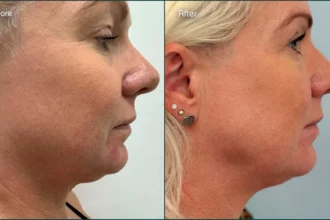
Visible improvements typically begin after 8 to 12 weeks of consistent use, while significant improvements in acne, pigmentation, and signs of aging often require three to six months or longer. The key to success is consistency rather than frequent application.
Tretinoin is not an overnight solution, but with proper use, patience, and a supportive skincare routine, it can deliver remarkable long-term improvements in skin health and appearance. By starting slowly, moisturizing generously, protecting your skin with daily sunscreen, and remaining consistent, you can safely enjoy the many proven benefits this powerful skincare ingredient has to offer.