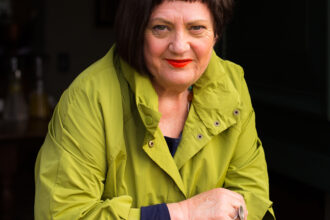







In Cape Town’s fiercely competitive restaurant scene, innovation no longer lives solely on the plate. Increasingly, it is found behind the kitchen pass, woven into the systems and technology helping chefs deliver consistency, precision and creativity under relentless pressure. For celebrity chef Matt Manning, whose culinary footprint stretches across several acclaimed Cape Town dining spaces, embracing intelligent kitchen technology has become less about convenience and more about survival in a modern hospitality landscape.
The British-born, London-trained chef has spent years building a reputation through establishments such as Grub & Vine, The Chef’s Studio, The Blue Room and Culture Wine Bar. Known for refined dining experiences rooted in technical excellence and approachable sophistication, Manning understands the demands placed on professional kitchens better than most. Time, accuracy and consistency are essential currencies in hospitality, particularly in a city where diners have become increasingly discerning and globally aware.
That pressure has led many chefs to rethink how technology can support, rather than replace, culinary craftsmanship. Manning’s adoption of the TOKIT Omni Cook C2 reflects a broader shift taking place in professional kitchens worldwide, where smart appliances are becoming valuable support systems for chefs balancing creativity with operational efficiency. Designed to perform the functions of multiple traditional appliances, the device automates labour-intensive tasks such as slow cooking, blending, emulsifying and precise temperature control, freeing chefs to focus on presentation, flavour development and customer experience.
What makes this transition especially interesting is the growing overlap between professional and home cooking culture. Appliances once marketed primarily to enthusiastic home cooks are now finding legitimacy inside serious restaurant kitchens. For Manning, the appeal lies not in novelty but in practicality. The technology allows his brigade to streamline repetitive processes while maintaining quality, consistency and depth of flavour across dishes.
His signature harissa lamb recipe demonstrates this balance between modern convenience and classical technique. Slow-cooked until tender and layered with rich spice and sauce development, the dish still reflects the fundamentals of thoughtful cooking, even when assisted by smart technology.
As Cape Town continues to establish itself as one of the world’s most exciting food destinations, the conversation around hospitality is evolving beyond décor and menus. Increasingly, the future of dining may depend on how effectively chefs combine artistry with innovation, using technology not to dilute culinary identity, but to sharpen it.