




By Roxyk – Lentils and Lace
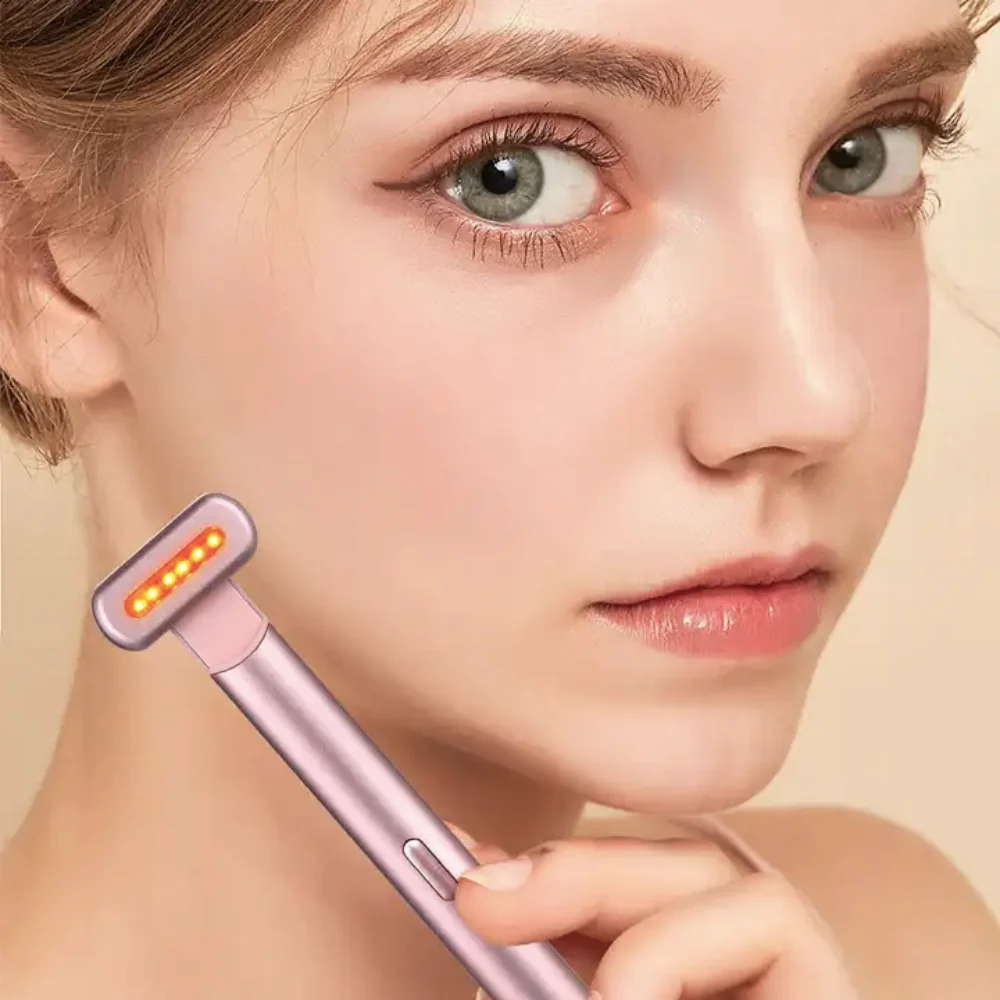
A neuro active LED light therapy wand is a handheld skincare device that uses light-emitting diodes (LEDs) to deliver specific wavelengths of light into the skin. These devices are marketed for anti-aging, wrinkle reduction, skin rejuvenation, and collagen stimulation. Although different brands use different names such as “neuro active,” “red light therapy,” or “photobiomodulation,” the underlying science is generally the same: controlled light energy is used to stimulate biological activity in skin cells without damaging the skin surface.
The most common wavelengths used in anti-aging LED wands are red light (around 630–660 nanometers) and near-infrared light (around 800–900 nanometers). Some devices also include amber light or blue light. Red and near-infrared light are the primary wavelengths linked to anti-aging benefits because they penetrate deeper into the skin and affect cellular energy production.
The therapy works by stimulating mitochondria, which are the energy-producing structures inside cells. When the skin absorbs red or near-infrared light, the mitochondria increase production of adenosine triphosphate (ATP), the molecule that powers cellular activity. Increased ATP gives skin cells more energy to repair damage, regenerate tissue, and produce structural proteins such as collagen and elastin.
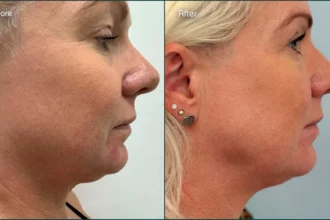
Collagen is particularly important in anti-aging because it keeps skin firm, smooth, and elastic. As people age, collagen production naturally declines, leading to wrinkles, fine lines, sagging skin, and dullness. LED light therapy aims to slow or partially reverse these changes by encouraging fibroblast cells in the dermis to make more collagen. Over time, this may improve skin texture, firmness, and hydration while reducing the appearance of fine lines.
Another important effect is reduced inflammation. Chronic low-grade inflammation contributes to premature skin aging, redness, and uneven texture. Red light therapy has been shown to calm inflammatory processes and improve circulation. Better circulation means more oxygen and nutrients are delivered to the skin, which supports healing and healthy skin turnover. Some users notice brighter, calmer, and more even-looking skin after consistent use.
A typical LED wand treatment involves slowly moving the device across clean skin for several minutes per area. Most home devices recommend treatments lasting between 3 and 20 minutes, several times per week. Unlike laser treatments or chemical peels, LED therapy is non-invasive and does not damage the outer skin layer. You usually do not feel pain, although some devices produce mild warmth.
However, results are generally gradual rather than dramatic. Scientific studies suggest that LED therapy can improve mild signs of aging, but it is not equivalent to cosmetic procedures such as laser resurfacing, injectables, or surgery. Home devices are also less powerful than professional dermatologist-grade equipment, so improvements tend to be subtle and require consistency over weeks or months.
In terms of safety, LED light therapy is generally considered safe for home use when the device is used correctly. Unlike ultraviolet (UV) light from the sun or tanning beds, LED devices do not emit ionizing radiation that damages DNA or increases skin cancer risk. The treatment is regarded as low risk for most skin types.
That said, there are important precautions. Eye protection is essential because prolonged exposure to bright LEDs, especially blue light, may irritate or potentially harm the eyes. Many dermatologists recommend protective goggles during treatment.
Certain people should avoid LED therapy or consult a doctor first. This includes individuals who take medications that increase light sensitivity, such as isotretinoin (Accutane), some antibiotics, or lithium. People with epilepsy, light-triggered migraines, severe melasma, active rashes, or eye diseases should also seek medical advice before use.
Another concern is product quality. The LED beauty device market is crowded, and not all devices are clinically tested. Experts recommend choosing devices labeled “FDA-cleared,” following usage instructions carefully, and avoiding exaggerated marketing claims. Some low-quality devices may not provide enough power to be effective, while others may generate unnecessary heat or unreliable wavelengths.
Overall, neuro active LED light therapy wands appear to be a reasonably safe and scientifically plausible anti-aging tool for home use. They may help improve collagen production, reduce inflammation, and soften mild signs of aging when used consistently. However, they work gradually, results vary between individuals, and they should be viewed as a supportive skincare treatment rather than a miracle cure.