




By RoxyK – Lentils and Lace
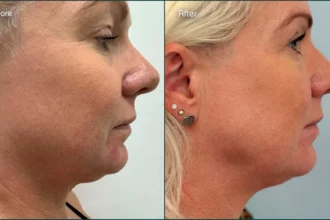
Facial yoga is a series of exercises and massage techniques designed to work the muscles of the face, neck, and scalp. It has become popular as a natural approach to maintaining a youthful appearance and reducing the visibility of fine lines. While it is not a substitute for scientifically proven anti-aging treatments, there is some evidence that it may offer modest benefits when practiced consistently.
The idea behind facial yoga is that strengthening and toning facial muscles can improve facial fullness and support the skin above them. As people age, facial muscles can lose volume and skin elasticity decreases due to reductions in collagen and elastin. This contributes to sagging and the formation of wrinkles. Some small studies have suggested that regular facial exercises may improve cheek fullness and overall facial appearance. However, the research is limited, and the improvements observed tend to be subtle rather than dramatic.
When it comes specifically to fine lines, facial yoga may help indirectly. Many techniques involve gentle massage, stretching, and increased circulation. Improved blood flow can temporarily give the skin a healthier, more radiant appearance. Massage may also help reduce facial tension. Repetitive muscle tension, especially around the forehead, eyes, and mouth, can contribute to expression lines over time. Learning to relax these muscles may help soften their appearance.
At the same time, facial yoga should be approached carefully. Excessive pulling, stretching, or repetitive movements could theoretically contribute to wrinkles in some areas if performed aggressively. The key is to use gentle pressure and controlled movements rather than forceful stretching. If a particular exercise causes discomfort or creates deep creases in the skin while performing it, it may be worth modifying or avoiding that movement.
You can absolutely add facial yoga to your skincare routine if you enjoy it and find it relaxing. Think of it as a complementary practice rather than a primary anti-aging treatment. The foundations of healthy skin remain daily sun protection, proper moisturization, a balanced diet, adequate sleep, and evidence-based skincare ingredients such as retinoids, vitamin C, niacinamide, and peptides.
A practical routine might look like this:
- Cleanse your face.
- Apply a facial oil or slip-enhancing product.
- Perform 5–10 minutes of facial yoga or massage.
- Follow with moisturizer if needed.
- Use sunscreen during the day.
Using an oil during facial yoga is a good idea because it reduces friction and helps your fingers glide across the skin. This minimizes unnecessary tugging and irritation.
Some oils that work well include:
Jojoba oil
- Suitable for most skin types.
- Closely resembles the skin’s natural sebum.
- Lightweight and unlikely to feel greasy.
Rosehip oil
- Rich in essential fatty acids and antioxidants.
- Popular for mature or dry skin.
- May help improve skin texture and hydration.
Squalane oil
- Very lightweight and non-comedogenic.
- Excellent for sensitive, oily, or acne-prone skin.
- Provides smooth glide without heaviness.
Argan oil
- Rich in vitamin E and fatty acids.
- Helpful for dry or mature skin.
- Absorbs relatively well compared to heavier oils.
Sweet almond oil
- Gentle and moisturizing.
- Often used in facial massage.
- Best suited to normal or dry skin.
Marula oil
- Rich and nourishing.
- Suitable for dry skin types.
- Leaves a silky finish.
If you have acne-prone skin, jojoba oil or squalane are generally safer choices because they are less likely to clog pores. If your skin is very dry, rosehip, argan, or marula oil may provide additional nourishment.
Before introducing any new oil, perform a patch test on a small area of skin for 24–48 hours to check for irritation or breakouts. Also avoid essential oils unless they are properly diluted, as they can cause sensitivity and allergic reactions.
Overall, facial yoga can be a pleasant addition to a skincare routine and may provide modest improvements in facial tone, circulation, and the appearance of fine lines when practiced consistently.