





By RoxyK – Lentils and Lace
As the temperatures drop, many people notice changes in their skin. What once felt soft, smooth, and hydrated can quickly become dry, tight, flaky, or even irritated. Cold weather may be beautiful, but it can be one of the biggest challenges for maintaining healthy skin. Understanding why this happens and how to care for your skin during the colder months can help you keep it looking and feeling its best.
One of the main reasons cold weather affects the skin is the lack of moisture in the air. During winter, humidity levels drop significantly, leaving the air much drier than usual. This dry air draws moisture away from the skin, weakening its natural protective barrier. At the same time, indoor heating systems, while keeping us warm, further reduce humidity levels, causing even more moisture loss. As a result, the skin becomes dehydrated, leading to dryness, rough patches, and flaking.
Cold temperatures also slow down the production of the skin’s natural oils, known as sebum. These oils are essential for locking in moisture and protecting the skin from environmental damage. When oil production decreases, the skin becomes more vulnerable to irritation, redness, and sensitivity. People with naturally dry or sensitive skin often experience these effects more severely during winter.
Another common issue is chapped lips. Unlike the rest of the skin, lips have a much thinner protective layer and fewer oil glands. This makes them especially prone to drying out, cracking, and peeling in cold, windy conditions. Similarly, exposed areas such as the hands and face often suffer because they are directly exposed to harsh weather throughout the day.
For individuals with skin conditions such as eczema, psoriasis, or rosacea, winter can trigger flare-ups. The combination of cold air, wind, and dry indoor environments can worsen inflammation, itching, and discomfort. Even those without chronic skin conditions may notice increased sensitivity or redness during this season.
Fortunately, there are several simple yet effective ways to protect your skin during cold weather.
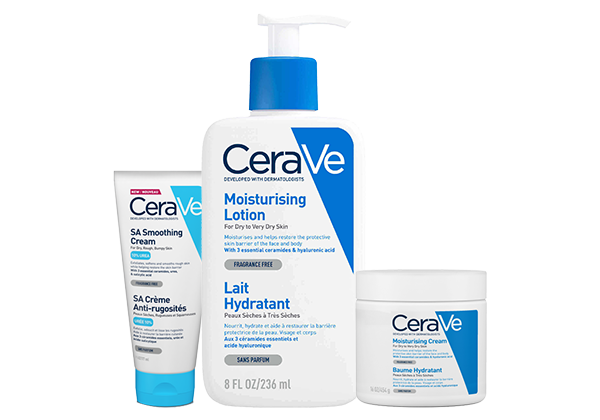
The first and most important step is to moisturize regularly. Choose a rich, fragrance-free moisturizer that contains ingredients such as ceramides, hyaluronic acid, glycerin, or shea butter. These ingredients help restore the skin barrier and lock in moisture. Applying moisturizer immediately after bathing or washing your face, while the skin is still slightly damp, helps seal in hydration.
It is also important to avoid long, hot showers. Although hot water feels comforting on a cold day, it strips the skin of its natural oils, making dryness worse. Instead, use lukewarm water and limit showers to around 10 minutes. Follow up with a moisturizer as soon as you dry off.
Gentle cleansing is equally important. Harsh soaps and cleansers containing alcohol or strong fragrances can further dry out the skin. Opt for mild, hydrating cleansers that clean the skin without disrupting its natural barrier.
Staying hydrated from the inside is another essential habit. Drinking enough water throughout the day supports overall skin health, although hydration alone cannot replace the need for topical moisturizers.
Using a humidifier indoors can also make a noticeable difference. By adding moisture back into the air, a humidifier helps prevent excessive water loss from the skin, especially while sleeping.
Many people mistakenly believe sunscreen is unnecessary during winter. However, ultraviolet (UV) rays remain present all year round and can still damage the skin, even on cloudy days. Applying a broad-spectrum sunscreen with at least SPF 30 every morning helps protect against premature aging and skin damage.
Protective clothing also plays an important role. Wearing gloves, scarves, and hats shields exposed skin from cold winds and helps reduce moisture loss. If possible, choose soft, breathable fabrics that are less likely to irritate sensitive skin.
Finally, maintaining a healthy diet rich in vitamins, antioxidants, and healthy fats can support skin health from within. Foods such as avocados, nuts, seeds, salmon, and colourful fruits and vegetables provide nutrients that contribute to a stronger, healthier skin barrier.
Cold weather may be unavoidable, but dry, uncomfortable skin does not have to be. With a consistent skincare routine, proper hydration, and protection from the elements, your skin can remain healthy, comfortable, and radiant throughout the winter season. Small daily habits can make a significant difference, allowing you to enjoy the colder months without sacrificing the health and appearance of your skin.