






South Africa’s electric vehicle landscape is about to welcome a bold new contender. Arriving in May 2026, the all-new iCAUR V23 marks the local debut of the adventure-focused EV brand under the Chery Group umbrella — and it is doing so with unmistakable intent.
At first glance, the V23 stands apart. Its squared-off silhouette and retro-inspired detailing evoke classic off-road design language, yet beneath the nostalgic cues lies thoroughly modern electric architecture. It is a deliberate blend of past and future, aimed at buyers who want more personality from their electric SUV.
Two derivatives will be available at launch: a 2WD and an AWD model. The 2WD features a 60 kWh battery paired with a single electric motor, while the AWD steps up to an 82 kWh battery and a dual-motor setup. Fast-charging capability is central to the value proposition, with the 2WD able to charge from 20% to 80% in 36 minutes on DC power, and the AWD completing the same cycle in just over 40 minutes. Outputs of up to 155 kW and 292 N.m position the V23 competitively within the growing mid-size EV segment.
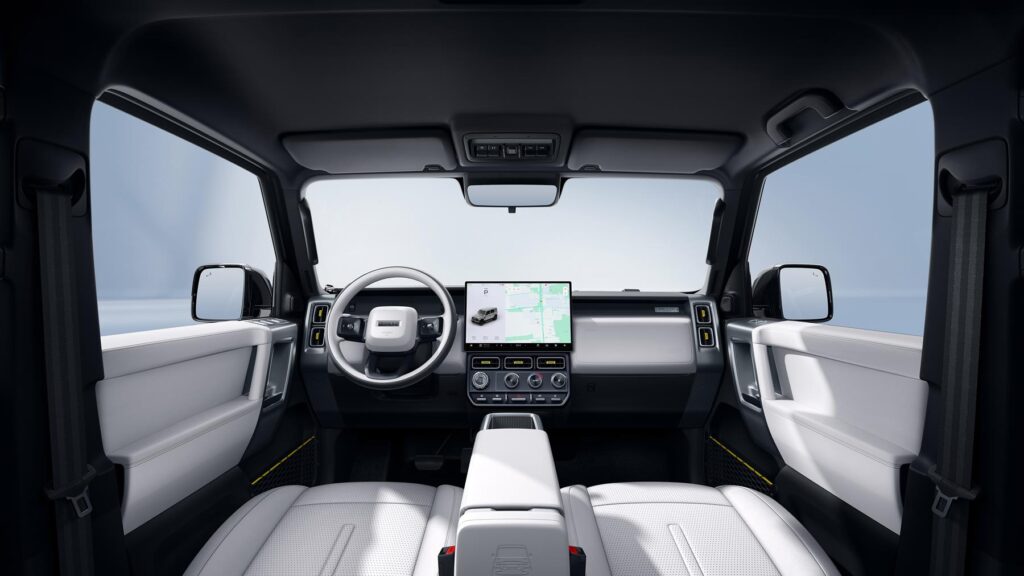
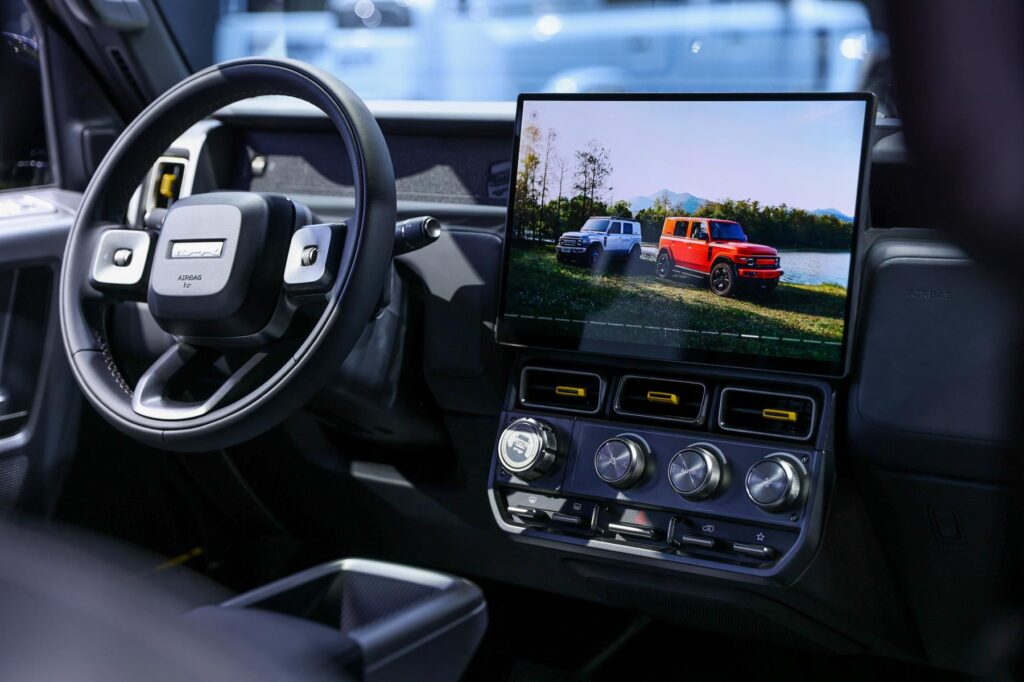
Beyond performance, the V23 leans heavily into specification. Leather upholstery, electrically adjustable front seats, a seven-speaker sound system and a prominent 15.4-inch touchscreen with wireless Apple CarPlay and Android Auto are standard across the range. The AWD derivative further enhances appeal with advanced driver assistance features including adaptive cruise control, blind spot detection and forward collision warning, while both models benefit from six airbags, stability control and ISOFIX anchorages.
The V23 enters a South African EV market that is still maturing but steadily gaining momentum. With distinctive styling, strong standard specification and a clear value positioning, iCAUR is not merely introducing another electric SUV — it is staking a claim in a segment hungry for differentiation.
As full pricing and detailed specifications are set to be revealed closer to launch, one thing is clear: the V23 signals that the next phase of South Africa’s electric evolution will be anything but conventional.